The kitchen is one of the most important spaces in the home, as we spend several hours of our day cooking, organizing, and storing food. A well-designed, ergonomic kitchen offers more than just aesthetic appeal.it makes everyday life easier, safer, and more comfortable. If you are planning a new kitchen or considering renovating your existing one, ergonomics
should be one of your top priorities.
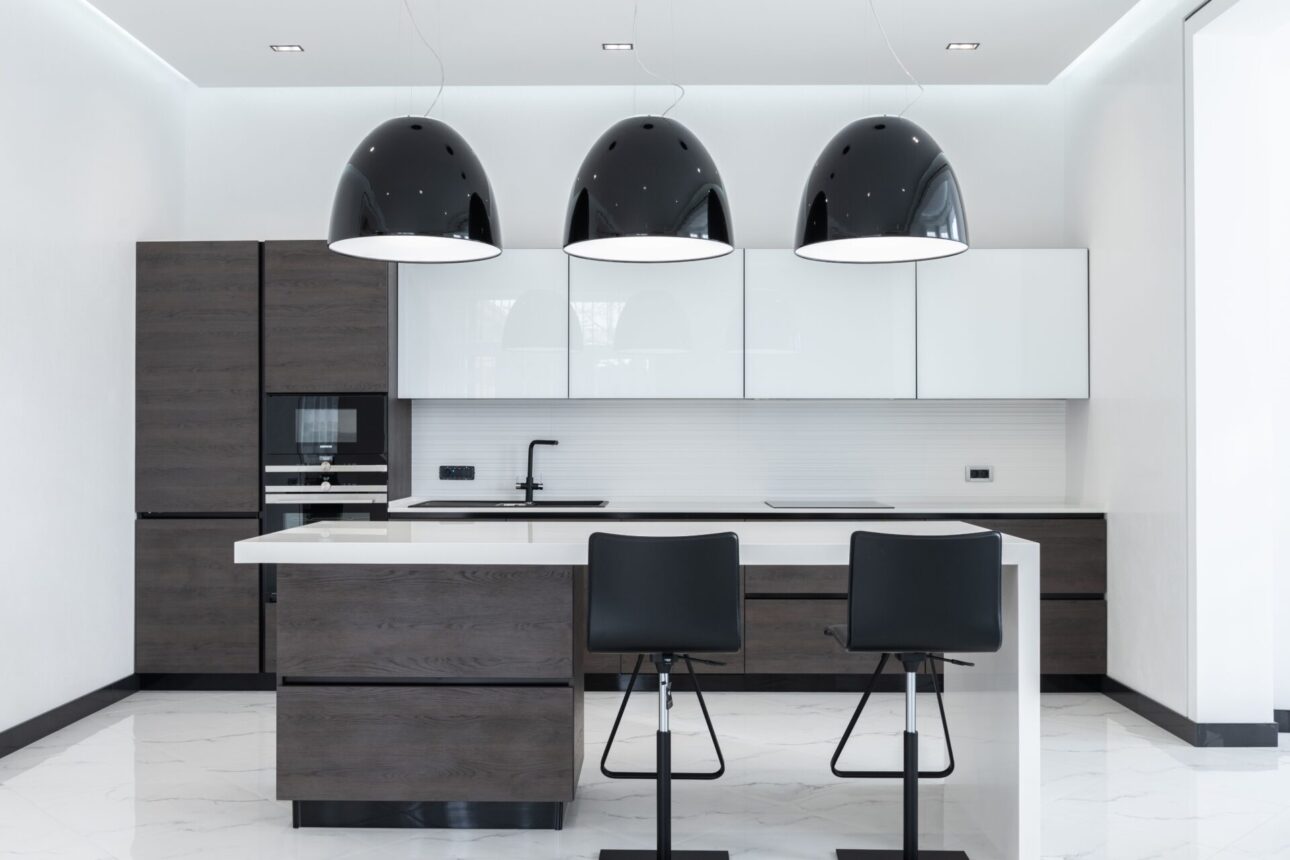
The foundation of every ergonomic kitchen is the so-called “work triangle.” It consists of three key areas: the sink, the cooking hob, and the refrigerator. The right distance between these three points minimizes unnecessary movement and makes meal preparation faster and more convenient.Ideally, the layout should allow easy access between these areas without creating obstacles from cabinets, countertops, or tables. This way, every task can be completed with less effort and greater efficiency.
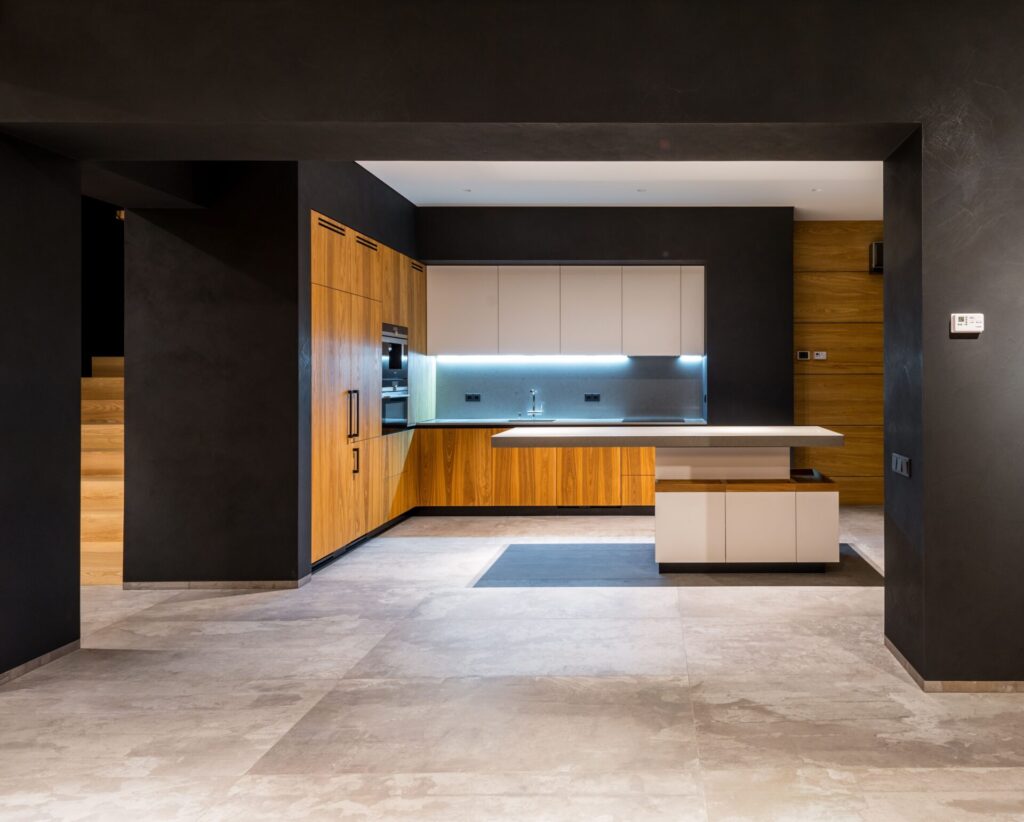
Proper lighting is also an essential part of kitchen ergonomics. General lighting should be combined with focused lighting above the worktop to make food preparation easier and improve safety.At the same time, the height of the worktop, the correct placement of appliances, and sufficient free space for movement all contribute significantly to overall comfort. Small details in the design can make a big difference to the everyday experience of using the kitchen.
Kitchen ergonomics is not a luxury but a necessity. A well-thought-out design can reduce fatigue, make cooking more enjoyable, and make the most of every available inch of space.
By investing in functional solutions and carefully organizing every area of the kitchen, you can create a space that truly meets your needs for many years to come.
Regardless of the size of the kitchen, ergonomics can be successfully incorporated, as long as the design pays close attention to details and the users’ everyday habits.
Creating an ergonomic kitchen is based on the proper arrangement of the main work areas, smart organization of storage spaces, and appropriate lighting. When these elements are combined effectively, the kitchen becomes a functional, comfortable, and enjoyable space that makes every moment of everyday life easier.